
Harry Kane has won the 2026 Ballon d’Or, becoming the first English footballer to receive the award since Michael Owen 25 years ago.
The Bayern Munich and England striker was honoured at Monday night’s ceremony at the London Palladium after an extraordinary season in which he scored 73 goals in 65 appearances for club and country.
Kane, 33, becomes only the fifth Englishman to win the men’s award, following Stanley Matthews, Bobby Charlton, Kevin Keegan and Owen. He is also the first Bayern Munich player to receive the honour since Karl-Heinz Rummenigge in 1981.
The result, confirmed by Reuters, represents another major milestone for a player whose remarkable consistency in front of goal has defined his career.
A season built on remarkable consistency
Kane’s goalscoring figures provided a compelling case for his selection. He scored 61 times in 51 appearances for Bayern Munich during the 2025/26 campaign, helping the German club win the Bundesliga and German Cup, and added another 12 goals for England.
His 36 Bundesliga goals earned him a third successive league Golden Boot, while he also claimed the European Golden Shoe.
According to Opta Analyst’s detailed assessment of his season, Kane scored 44 non-penalty goals for Bayern, demonstrating that his extraordinary return was not simply a product of taking spot-kicks.
He also scored 14 times in the Champions League, his highest total in a single campaign in the competition, and registered five hat-tricks across Bayern’s season.
Those figures tell only part of the story. Kane’s ability to drop into midfield, link attacking moves and create opportunities for teammates continues to distinguish him from more conventional centre-forwards.
His performances for England further strengthened his credentials. Kane scored six goals at the 2026 World Cup, helping his country reach the semi-finals and taking his overall World Cup tally to 14, surpassing Gary Lineker’s previous England record.
First English winner since Michael Owen
Not since Michael Owen’s triumph in 2001 had an English player won the men’s Ballon d’Or.
Owen was then starring for Liverpool, having helped the club win the FA Cup, League Cup and UEFA Cup during a memorable year under Gérard Houllier.
Before Owen, England’s winners were Stanley Matthews in 1956, Bobby Charlton in 1966 and Kevin Keegan in 1978 and 1979.
Kane’s victory takes on additional significance because of the location of this year’s ceremony. London hosted the event for the first time, marking 70 years since Matthews became the inaugural winner.
As UEFA explained when announcing London as the host city, the decision was intended to pay tribute to Matthews and the award’s English origins.
When Kane left Tottenham for Bayern Munich in 2023, the prospect of winning major trophies was central to the discussion surrounding his move.
He had already established himself as Tottenham’s record goalscorer and one of the Premier League’s outstanding forwards, but major team honours had proved elusive.
Three years later, his success at Bayern has been accompanied by individual recognition at the highest level.
Why Kane prevailed in a competitive field
Kane faced formidable competition, particularly from Barcelona’s Lamine Yamal and Real Madrid’s Kylian Mbappé.
Yamal, 19, played an influential role in Spain’s World Cup triumph and Barcelona’s domestic success. Mbappé, meanwhile, scored 10 goals at the World Cup for France, adding another exceptional international tournament to his career.
Both had convincing claims to football’s leading individual honour.
The competition highlighted a familiar question surrounding the Ballon d’Or: how much weight should voters place on individual consistency compared with success in football’s biggest team competitions?
Yamal could point to a World Cup winner’s medal, while Mbappé had delivered exceptional performances on the international stage.
Kane’s case rested on an extraordinary level of productivity across the season, alongside his broader contribution to Bayern’s attacking play.
His goals were spread across domestic and European competitions, while his international performances reinforced the argument that he had maintained an exceptional standard throughout the period under consideration.
Alexia Putellas wins third women’s Ballon d’Or
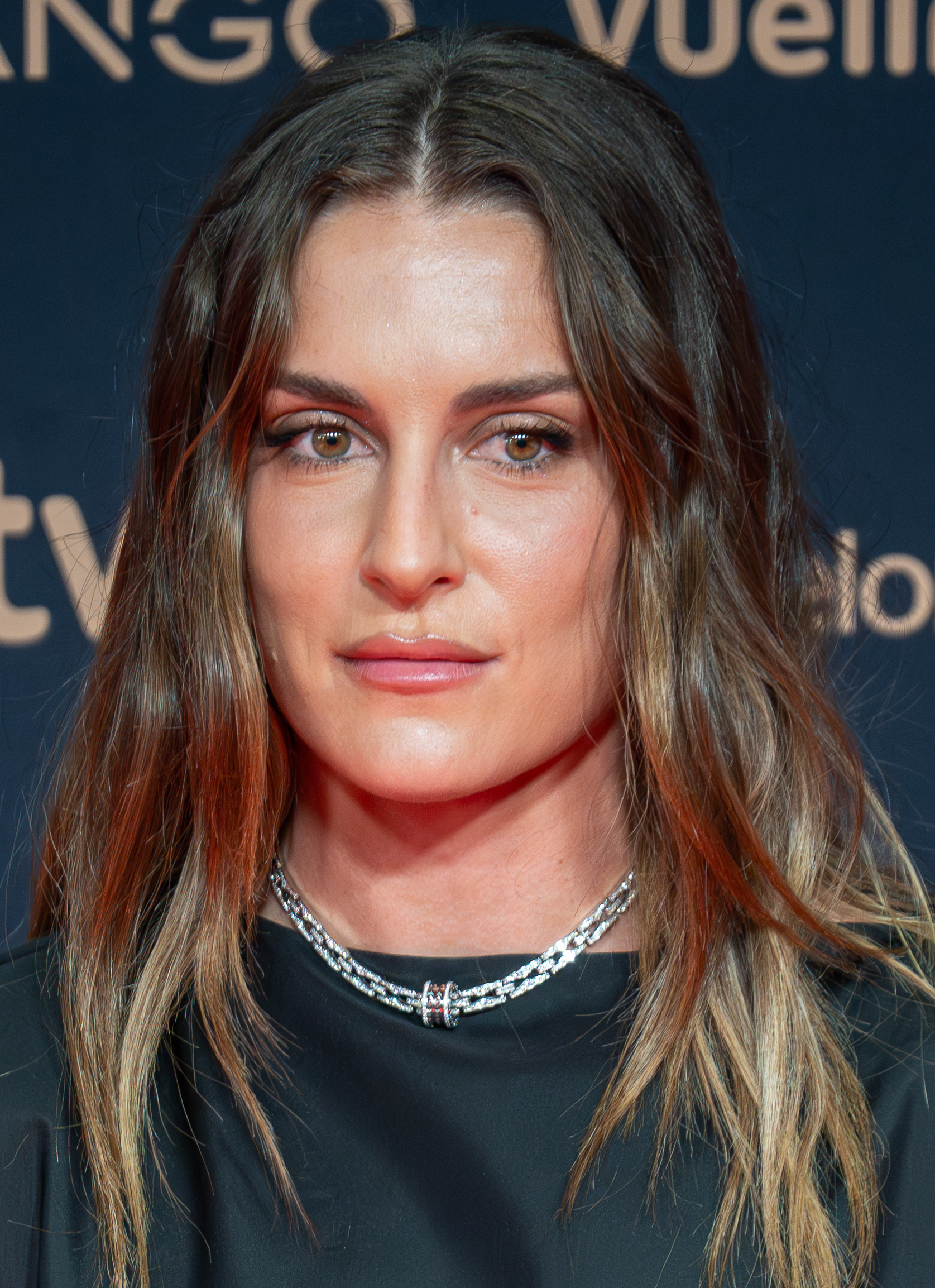
Credit: Pedro J Pacheco / CC BY-SA 4.0
Alexia Putellas won the 2026 women’s Ballon d’Or, claiming the award for the third time after previous victories in 2021 and 2022.
The Spain international was recognised following another successful season with Barcelona, where she helped the club complete a treble before joining Women’s Super League side London City Lionesses in July.
Her latest achievement was also confirmed by Reuters, marking another significant chapter in a career that has helped shape the modern women’s game.
Putellas’s victory also provides a British connection to the women’s award, with one of the game’s most decorated players now competing in the Women’s Super League.
Other honours at the 2026 Ballon d’Or
Several other notable awards were presented during the ceremony.
Barcelona’s Lamine Yamal collected the men’s young-player award for a third consecutive year, while club teammate Vicky López won the women’s equivalent for the second successive year.
Spain manager Luis de la Fuente was named men’s coach of the year following his country’s World Cup triumph, while Barcelona’s Pere Romeu received the women’s coaching honour.
Unai Simón and Cata Coll won the men’s and women’s goalkeeper awards respectively.
Kane also received the men’s striker award, while Mexico international Charlyn Corral collected the women’s equivalent.
Paris Saint-Germain were recognised as men’s club of the year, with Barcelona taking the women’s award. Arsenal’s Bukayo Saka received the Sócrates Award in recognition of his charitable work.
A landmark night for English football
Kane’s Ballon d’Or victory represents a significant moment for English football, but its importance goes beyond nationality.
At 33, he remains one of the most productive strikers in the game. His performances combine the traditional demands of a centre-forward with the creativity and intelligence of a player comfortable operating well beyond the penalty area.
For all the debate about whether team trophies should carry greater weight in individual awards, it is difficult to dismiss a campaign of such sustained quality.
Kane’s achievement recognises a striker whose influence extends well beyond goalscoring. His movement, passing and ability to bring teammates into play have become as important to Bayern Munich as his finishing.
A quarter of a century after Michael Owen’s victory, Kane has earned his place alongside England’s previous Ballon d’Or winners. His exceptional performances throughout the season provide a compelling justification for the award.